Welcome to “Chuckles and Cuddles,” where every moment of motherhood is an adventure worth cherishing. Today marks a special milestone in my journey as a mom – I baked my very first muffin for my toddler. Join me as I share the joy, laughter, and heartwarming moments that unfolded in the kitchen, along with the profound connection between baking, bonding, and mental well-being. We’ll also explore positive parenting styles and evidence-based practices that enrich these experiences.
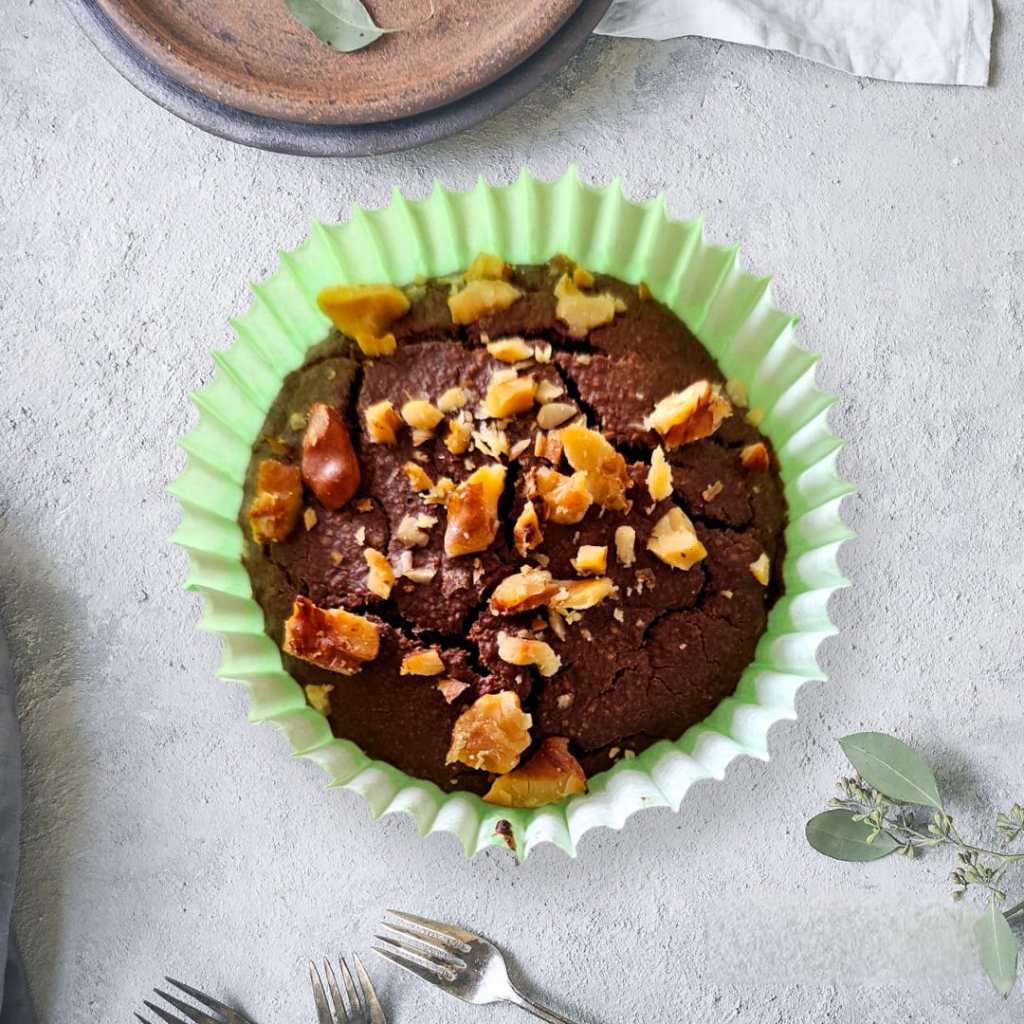
The Joy of Baking Together: As I embarked on this culinary adventure, I couldn’t help but feel a mix of excitement and nervousness. Baking my first muffin for my little one felt like a milestone, a momentous occasion filled with anticipation and wonder. The kitchen buzzed with energy as we gathered our ingredients – oats, bananas, and a dash of love – to create a healthy, sugar-free treat.
Building Bonds and Creating Memories: Mixing and measuring became a delightful dance between mother and child. My toddler’s giggles filled the air as he enthusiastically poured ingredients into the mixing bowl, his tiny hands coated in flour. In that moment, amidst the floury chaos, I realized the true magic of baking – it’s not just about creating delicious treats; it’s about forging precious memories and strengthening the bond between parent and child.
Positive Parenting Practices: This experience highlighted several positive parenting practices. According to the attachment theory by John Bowlby, such shared activities enhance the emotional bond between parent and child, fostering a sense of security and trust. Additionally, engaging in collaborative tasks promotes authoritative parenting, which research shows is associated with positive child outcomes, including higher self-esteem and better emotional regulation (Baumrind, 1966).
Mental Well-Being and Therapeutic Value: As the muffins baked in the oven, the anticipation grew. We watched with bated breath as the kitchen filled with the warm, comforting aroma of freshly baked goodness. Finally, the moment of truth arrived – we eagerly sampled our creations. The look of pure delight on my toddler’s face as he took his first bite filled my heart with joy beyond measure.
Through this simple act of baking together, we experienced moments of pure bliss and connection. But the magic didn’t stop there. Baking, I realized, is also a powerful tool for nurturing mental well-being. The act of creating something with our hands, of pouring our love and creativity into each step, can be incredibly therapeutic. Research has shown that engaging in creative activities can reduce stress and improve mood (Drake, Searight, & Olson-Pupek, 2014).
Safety Tips for Baking with Toddlers:
- Supervision: Always keep a close eye on your toddler to ensure their safety.
- Safe Tools: Use child-friendly utensils and avoid sharp objects.
- Heat Awareness: Keep your child away from hot surfaces and the oven.
- Cleanliness: Teach your child the importance of washing hands before and after handling food.
- Patience: Be prepared for messes and take the time to explain each step to your little one.
Conclusion: In the hustle and bustle of daily life, it’s easy to overlook the small moments that bring us the greatest happiness. But as I learned from baking my first muffin with my toddler, it’s these simple, everyday experiences that hold the most meaning. So here’s to cherishing the laughter, the love, and the delicious delights that make motherhood truly sweet. Embrace the magic of parenthood, foster positive bonds, and remember – it’s the journey, not the destination, that matters most. Until next time, keep baking, bonding, and creating beautiful memories together.
References:
- Baumrind, D. (1966). Effects of Authoritative Parental Control on Child Behavior. Child Development, 37(4), 887-907.
- Bowlby, J. (1969). Attachment and Loss: Vol. 1. Attachment. New York: Basic Books.
- Drake, J. E., Searight, H. R., & Olson-Pupek, K. (2014). The Influence of Art Making on Negative Mood States in University Students. American Journal of Applied Psychology, 2(3), 69-72.
 Chuckles & Cuddles
Leave a comment