
Welcome to Chuckles and Cuddles, where we navigate the ups and downs of parenthood with laughter and a touch of wisdom. Today, I’m sharing a story that many parents can relate to: the moment our toddler, Khizar, broke a glass and how we managed the situation with a blend of calm, care, and humor.
The Scene: A Typical Afternoon

It was a typical Saturday afternoon, and the house was filled with the usual sounds of toddler play. Khizar, our 14-month-old, was happily exploring the living room, while I took a brief moment to sip iced water and mentally prepare for the rest of the day. Mu husband was relaxing on the couch.
Khizar’s curiosity often leads him to unexpected discoveries, and today was no exception. I had set a glass of water on the coffee table, within what I thought was a safe distance. But in the blink of an eye, Khizar’s little hand reached up, and before I could react, the glass tumbled to the floor, shattering into a myriad of sparkling pieces.
Immediate Response: Safety First
The crash startled all of us. My immediate concern was Khizar’s safety. Toddlers are quick, and those tiny glass shards were a potential hazard. I quickly scooped him up and moved him to a safe spot, away from the mess.
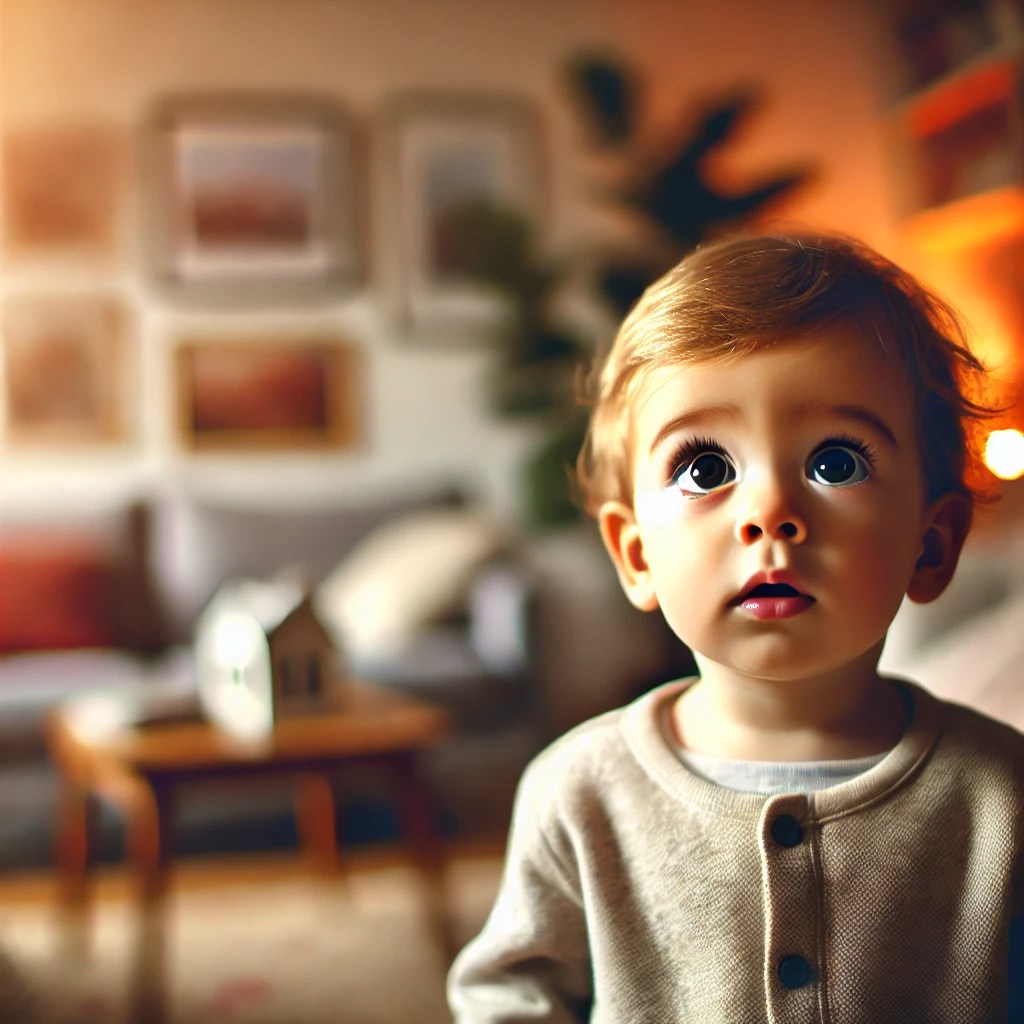
“Uh-oh, looks like we made a little accident!” I said, trying to keep my voice calm and cheerful. Khizar looked at me with wide eyes, a mix of surprise and confusion on his face. At his age, he didn’t fully understand what had happened, but he could sense the change in the atmosphere.
Clean-Up Crew: Turning a Mess into a Lesson
With Khizar safely out of the way, I set to work cleaning up the glass. I grabbed a broom and dustpan, carefully sweeping up the larger pieces first. My husband then used a vacuum to ensure that every tiny shard was gone. Throughout the process, we kept talking to Khizar, explaining what we were doing.
“Mommy’s cleaning up the mess now. Glass can be very sharp, so we have to be extra careful.” Although he couldn’t fully grasp the concept, I wanted to use the opportunity to introduce the idea of safety and consequences in a gentle manner.
Reassurance and Comfort: A Teaching Moment
Once the area was safe, I returned to Khizar, who was watching with great interest. I gave him a big hug and said, “It’s okay, accidents happen. The important thing is that we’re safe.”
Khizar, still absorbing the events, seemed reassured by my calm demeanor. I wanted to make sure he didn’t feel scared or guilty about the incident. At this age, it’s crucial to respond with empathy and understanding, helping them learn without instilling fear.
Humor and Perspective: Finding the Silver Lining
These moments, while sometimes stressful, are part and parcel of parenting. They’re the stories we’ll tell Khizar, when he’s older, the memories that shape our journey together.
Parenting experts often emphasize the importance of maintaining a calm and composed attitude during such incidents. Research suggests that modeling calm behavior helps children develop emotional regulation skills (Appraisal Theory of Emotion, 2017; Emma J. Heeman, 2024). Additionally, turning these moments into learning opportunities can foster a sense of responsibility and awareness in young children.
Conclusion: Embracing Imperfection
The day Khizar broke the glass was a reminder that parenthood is a journey filled with unexpected twists and turns. It’s about embracing the imperfections and finding grace in the chaos. By responding with calm, care, and a touch of humor, we can turn even the most challenging moments into valuable lessons.
At Chuckles and Cuddles, we believe in celebrating these everyday adventures, knowing that they are the threads that weave the tapestry of our family’s story. So, the next time your toddler breaks a glass or creates a little mayhem, remember to take a deep breath, find the humor in the situation, and cherish the journey.
References
1. Moors, Agnes. (2017). Appraisal Theory of Emotion. 10.1007/978-3-319-28099-8_493-1.
2. Emma J. Heeman, Tommie Forslund, Matilda A. Frick, Andreas Frick, Lilja K. Jónsdóttir, Karin C. Brocki, predicting emotion regulation in typically developing toddlers: Insights into the joint and unique influences of various contextual predictors, International Journal of Behavioral Development, 10.1177/01650254241239956, (2024).
 Chuckles & Cuddles
Leave a comment