
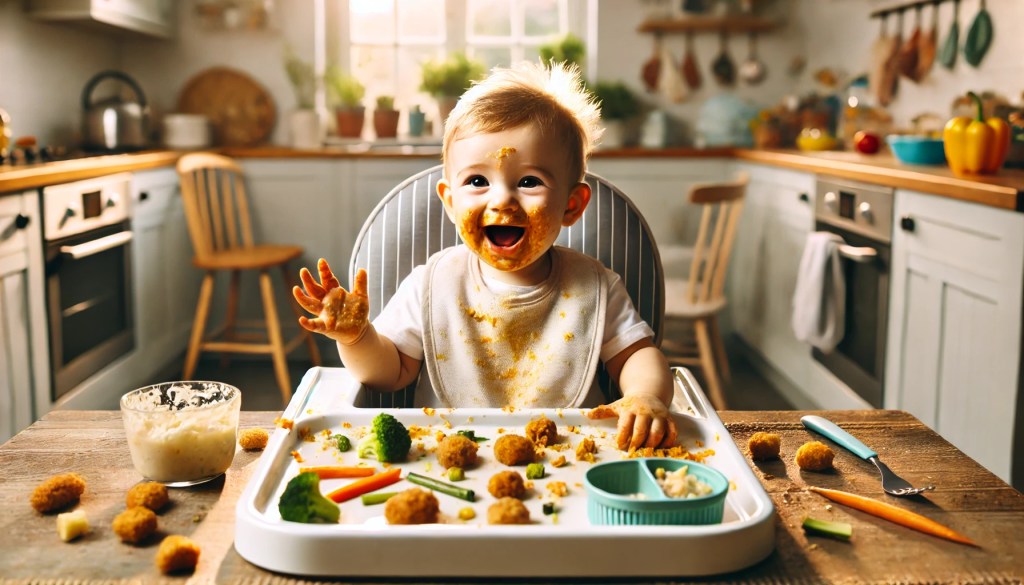
Welcome to Chuckles and Cuddles, where we explore the delightful chaos of parenting. Today, we’re diving into the world of toddler mealtimes, filled with laughter, spills, and treasured moments.
Personal Story: Our Daily Dance
Every evening at seven, my toddler Khizar and I start our nightly culinary adventure. His eyes light up as he rushes to the kitchen, eager for the symphony of spoons and spills that define our mealtime ritual. It begins with washing tiny hands, followed by a serene moment of gratitude. We say a prayer, thanking God for the food and all those who made it possible, setting a tone of appreciation.
Khizar then carefully selects our cutlery, treating the task with the seriousness of a maestro. Tonight’s menu features a chicken Korma, mashed potatoes, and Indian Chapati/roti—his favorites. The negotiation begins: “Just one more bite, and then we can have the magic yogurt or Tarbuch (watermelon in Hindi) or a royal Fruit, Mango (mango considered a king of fruit in India)!” Khizar loves to gesture a crown with his tiny hands when I say a mango, a king of the fruit. Often, the promise of dessert or watermelon or mango seals the deal.
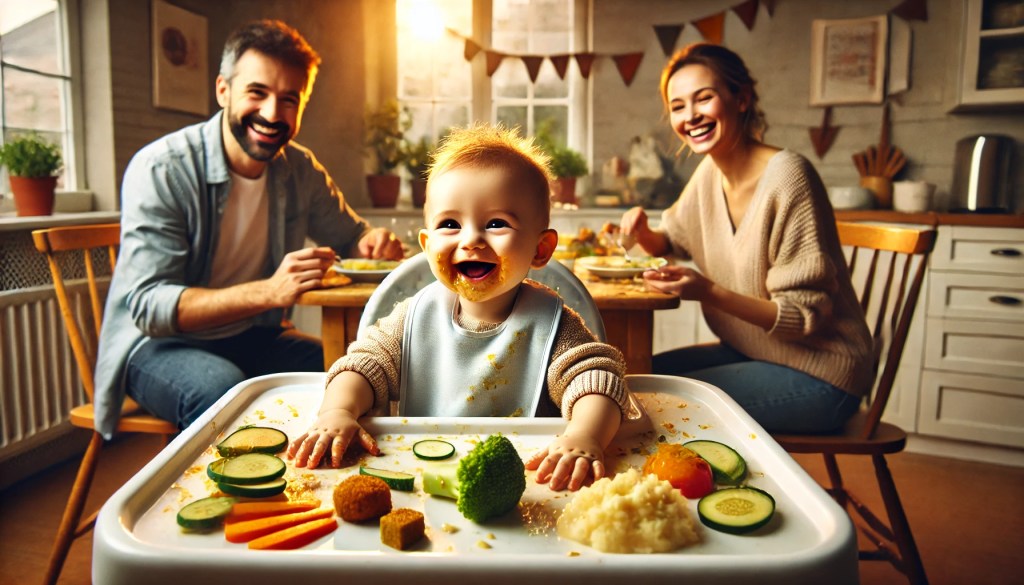
Challenges? Absolutely! From flinging peas to refusing anything green, our mealtimes are filled with mini-battles. And of course how to forget painting with foods to bibs, hands, face and what not else. But there are also victories, like the time Khizar devoured an entire chapati. A special part of our mealtime is our favorite song, “One finger, one finger, turn, turn, turn into a worm!” It’s a playful tradition that always brings smiles and giggles.
Tips & Tricks: Crafting a Mealtime Masterpiece
Creating a smooth mealtime routine takes patience, creativity, and a bit of persistence. Here are some strategies that have transformed our mealtime experience:
- Set a Schedule: Regular meal and snack times create a predictable routine, helping toddlers feel secure.
- Involve Your Child: Engaging your toddler in meal prep, like stirring or setting the table, can pique their interest in eating.
- Create a Pleasant Environment: Turn off distractions and enjoy light conversation or soft music to make mealtime enjoyable.
- Offer Choices: Provide healthy options and let your toddler choose, empowering them and reducing power struggles.
- Practice Gratitude: Incorporating a moment of thanks or prayer before meals can instill a sense of gratitude and calm.
- Be Patient: Stay calm and avoid turning mealtime into a battleground. Toddlers’ eating habits can be unpredictable.
Evidence-Based Insights: The Role of Routine in Toddler Development
Consistent routines are crucial for a toddler’s development. Studies show that predictable routines provide emotional security and stability, essential for emotional well-being. Regular mealtimes can promote better eating habits and healthier weights, while routines also help develop self-regulation skills, allowing toddlers to manage emotions and behaviors more effectively.
Gratitude practices, such as saying a prayer before meals, can enhance emotional resilience and foster positive emotions, which are vital for a child’s development. Teaching gratitude helps children appreciate their surroundings and the efforts of others.
Conclusion: The Beauty of Our Mealtime Ritual
At Chuckles and Cuddles, we believe that every aspect of parenting, including the spills and thrills of mealtime, is an opportunity for growth, bonding, and joy. Our mealtime routine is more than just feeding; it’s a cherished ritual that nurtures Khizar’s developing mind and body, instills healthy habits, and creates lasting memories.
As a psychiatrist and a mother, I know the profound impact these daily routines have on our little ones. Embrace the mess, celebrate the small victories, and cherish the moments of togetherness. Remember, every meal shared is a step toward a healthier, happier future for our children. And don’t forget to give thanks—for the food, the hands that prepared it, and the precious time spent together.
Thank you for joining us at Chuckles and Cuddles, where we celebrate every messy, magical moment of parenting!
References
- Routines and child development: A systematic review. https://doi.org/10.1111/jftr.12549
- The importance of mealtime structure for reducing child food fussiness. doi: 10.1111/mcn.12296
- Mealtime Structure and Responsive Feeding Practices Are Associated With Less Food Fussiness and More Food Enjoyment in Children. Link
- Family Mealtimes: A Systematic Umbrella Review of Characteristics, Correlates, Outcomes and Interventions. Link
- Positive Psychology: benefits of practicing gratitude on emotional resilience and well-being.
 Chuckles & Cuddles
Leave a comment